Police and Ambulance Vehicle Decontamination
Emergency vehicle decontamination covers transport units, police cars and ambulances.
See police and ambulance vehicle decontaminationGet blood, bodily fluids, waste and odor removed from a car, truck, RV or boat in Liberty Square. Vehicle biohazard remediation reaches hidden contamination in seats, carpet, trim and the air system.
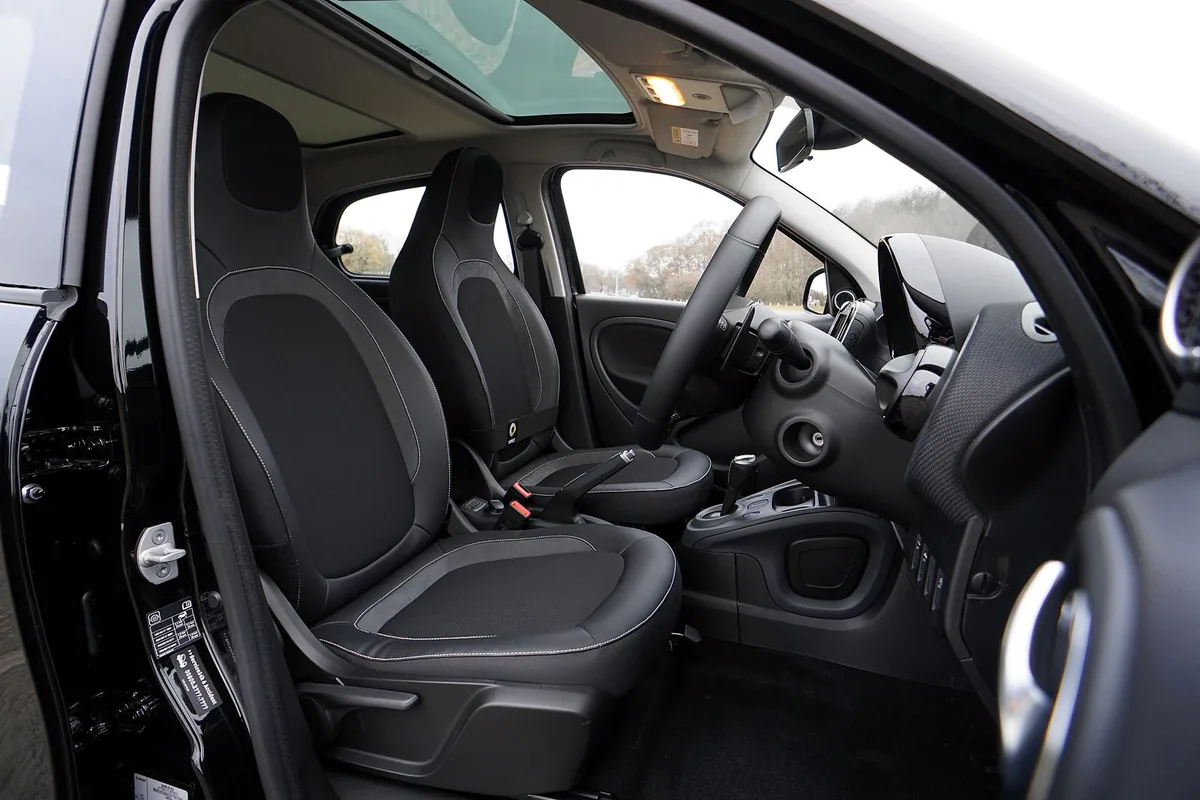
Vehicle biohazard cleanup carefully takes blood, human or animal waste, bodily fluids and other affected materials out of cars, trucks, boats, RVs and fleet units. Cleaning, disinfecting and odor treatment follow that removal.
A vehicle interior has many hidden pathways. Liquid can pass through a seat cover into foam, run beneath carpet, collect along trim clips and reach wiring channels. Airflow can also carry odor into the cabin filter and vents. Ordinary detailing focuses on appearance, while vehicle biohazard remediation follows the contamination into the affected area and surrounding areas.
Cleanup starts with a controlled inspection and suitable protective gear. Materials that cannot be completely disinfected are removed, surfaces receive detailed cleaning, and hazardous waste is disposed of. An EPA-registered disinfectant remains wet for all of the contact time listed on its label. You then have a clear distinction between interior pieces that may remain and those requiring removal.
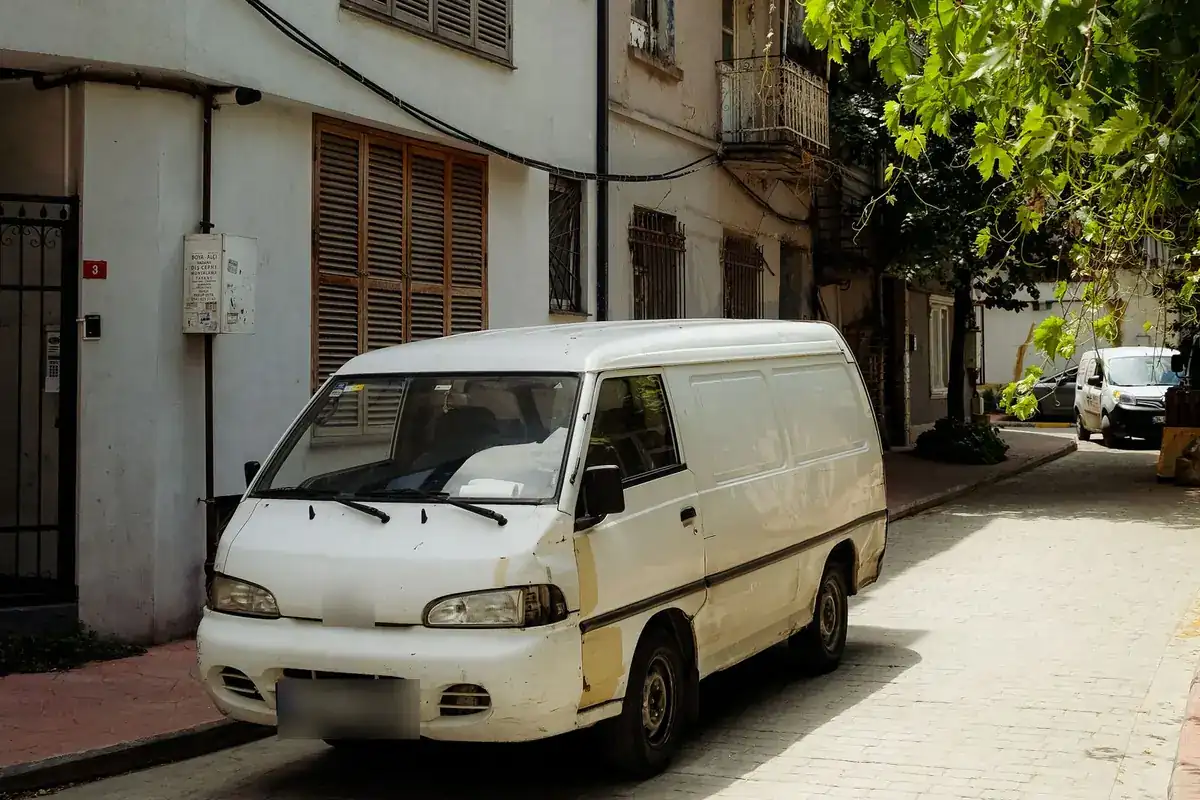
You can call at any hour, and the cleanup crew arrives in unmarked vehicles. You can explain the situation privately and decide the next step without pressure.
You help decide how paperwork, equipment and personal items are separated. Belongings found inside are evaluated instead of automatically being classified as waste.
Documentation for your property owner, fleet records or insurance company can include images, the cleaning scope and details of materials taken out.
Learn about the vehicle inspection process before you select a cleanup company. The explanation should cover inspection findings, parts that can remain, materials requiring removal and cost factors, giving you the details needed to move forward.
A tiny mark that can safely be wiped off a hard surface is different from contamination that requires biohazard vehicle cleaning. No two events are identical. In these common situations, keep the vehicle closed and have it inspected:
An injury, medical event or accident can leave fluid on a seat, door panel, console, carpet or cargo area. Padding underneath may be affected even when little is visible.
Sharps associated with drug use may cause both needlestick and exposure risks. Do not reach beneath seats or into door pockets where sharp items may be hidden.
For a vehicle released by law enforcement after a crime or trauma, contamination can be left to a cleaning service, sparing you and your loved ones from seeing the affected areas.
A death inside a vehicle can affect seat foam, floor coverings, trim and air quality. The source must be removed before disinfection and odor removal.
Before a cleanup inspection, your priority is to avoid contact and stop contamination from moving within the cabin. Follow these precautions until technicians can examine the vehicle:
Call (888) 440-9227For biohazard cleanup of a vehicle, the published range is $500 to $5,000. What you finally pay depends on interior materials, event severity, time passed since the event and the need for air-system decontamination. An inspection is required to find possible contamination hidden under a seat or beneath the carpet rather than visible at the door.
These ranges come from published national cost guides, not from a site visit. An on-site assessment determines your property's price, which is explained to you before the cleanup starts.
Ask about cost: (888) 440-9227Auto insurance may cover vehicle biohazard cleanup when the cause is covered by your policy, but coverage, deductibles and documentation requirements vary. Ask your insurance company before authorizing work when circumstances allow.
Keep the claim number, photos, cleanup scope, removed-material list and waste records. Before throwing away affected components, confirm whether the adjuster needs to examine them.
Report the event to the adjuster without touching the vehicle. Ask the insurer if your coverage includes cleanup, transport, restoration and taking out contaminated vehicle parts.
The fleet manager or vehicle owner generally begins the claim and authorizes access. Record requirements, exclusions and limits may differ under a commercial policy.
Victims of violent crime can ask the Florida Attorney General's Bureau of Victim Compensation about cleanup, since its rules count crime scene cleanup costs as a compensable loss. Insurance is usually checked first.
To avoid spreading contamination from one cabin section into another, vehicle biohazard remediation proceeds in a controlled order from start to finish. What happened, the time after exposure and the vehicle's interior materials shape each step.
Cleanup technicians examine seating seams, floors, visible air inlets and every interior storage or cargo space. The initial condition is photographed to clarify what work is required.
Public access is restricted around both the work area and vehicle. Workers wear gloves, protective garments, eye protection and any additional equipment appropriate for the hazard.
Belongings are divided among apparently unaffected property, cleanable items and contaminated materials that call for disposal or your decision.
Removal applies only when contamination enters seat covers, foam, carpeting, padding, headliner or trim that cannot undergo complete disinfection.
Before disinfection with an EPA-registered product, workers clean each affected hard surface. The surface stays wet for the contact time stated on the product label.
The air intake, vents and cabin filter are checked when odor or contamination may have entered the climate system. Cleanup begins by addressing and removing the source.
Removed material is packaged for disposal under the rules that apply to the waste. Cleanup paperwork can become part of your claim documentation or vehicle fleet file.
The affected areas and surrounding areas receive a final visual check so contaminated material is not left behind. The final summary tells you which items were taken out, what surfaces were cleaned and which restoration services remain.
Call any hour. You speak with a vehicle biohazard cleanup specialist who outlines the process and schedules a start time with you.
A vehicle has a small and enclosed cabin, where waste, blood, bodily fluids and sharp objects out of sight can pose serious health concerns.
Liquid follows seams downward. It can penetrate seat foam, underlying carpet material, floor grooves and fasteners while leaving the top surface looking dry.
A hot, enclosed cabin can concentrate unpleasant odor. Running the climate system before the source is removed may move odor into vents and the cabin filter.
Under seats, inside pockets and around personal property are places where a needle may remain unseen. Searching the vehicle interior without puncture-resistant equipment may expose you to hazards.
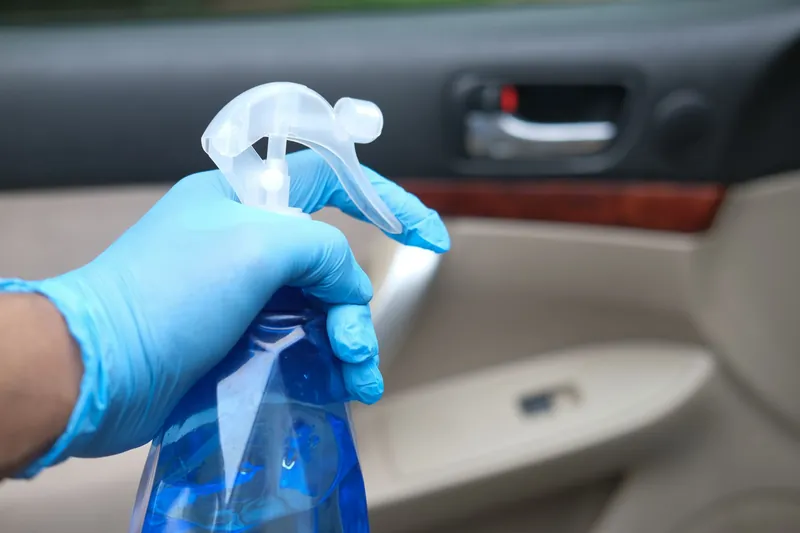
Can you clean it yourself? Wear gloves to treat several recent drops on a solid, non-absorbent area. Use an EPA-registered disinfectant and observe its complete labeled contact time. If a sharp item is present or fluid has penetrated a seam, upholstery, padding, carpet, roof lining or vent, do not enter and seek professional cleanup.
An inspection determines how long vehicle biohazard cleaning will take. Work limited to a hard surface is quicker than a cleanup involving removal of seats or carpet, inspection of vents, multiple treatments or parts that must be replaced.
| Scene | Typical time on site |
|---|---|
| Limited hard-surface contamination | Findings from the affected area determine how long the work may take |
| Affected cargo section, vehicle carpet or seats | More time required if vehicle components need removal |
| Widespread contamination or air-system work | The timeline varies with drying, entry to affected areas and repair needs |
Finding and taking out the contaminated source is the first step in removing vehicle odor. Air fresheners, fragrances and surface shampoo may briefly cover a smell. They do not clean contamination that has entered insulation, a cabin filter, carpet padding or the foam within a seat.
After source removal, reachable surfaces are cleaned and disinfected. The air intake, vents and cabin filter can be inspected when odor traveled through the climate system. Air treatment may support the cleaning process, but it does not replace removal of affected porous material. Keep the fan off until the source and air path have been evaluated.
Occupational blood contact is addressed by the OSHA Bloodborne Pathogens Standard, 29 CFR 1910.1030, through rules covering worker instruction, protective equipment and methods that control exposure.
A disinfectant should be EPA-registered for the target pathogen and compatible with the surface. Keep it wet for every minute of contact time required by the product label.
Florida calls it biomedical waste, and the term covers absorbent materials saturated with blood or body fluids. The Florida Department of Health's rules control packing, transport and treatment, so it cannot go in household trash.
Florida uses district medical examiners, with the Medical Examiners Commission under the Florida Department of Law Enforcement overseeing them. Cleanup starts after police or the medical examiner or coroner release the scene.
The full vehicle biohazard cleanup guide covers what is cleaned or removed, odor and air quality work, and the rules that apply in Florida and Miami-Dade County.
Read the full vehicle biohazard cleanup guide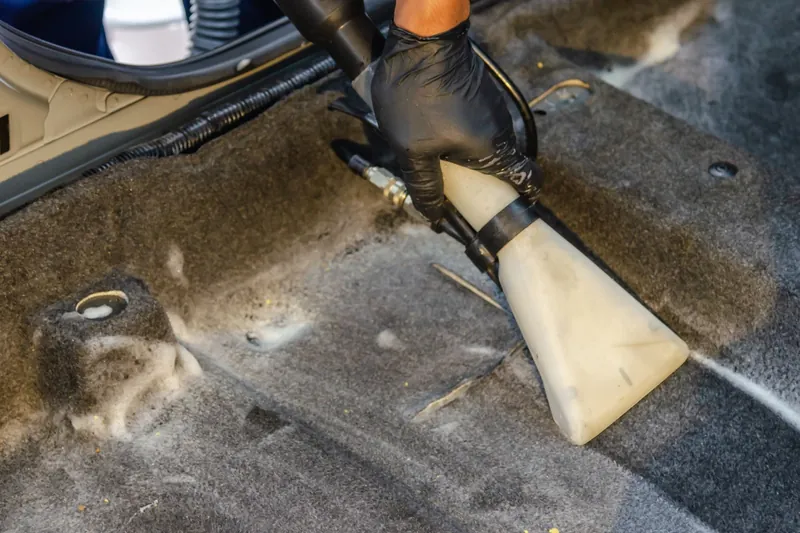
Local housing, population and access details can shape containment, access and cleanup planning.
At roughly 1.4 miles away, North Shore Medical Center is the closest listed hospital for urgent care after a cut, puncture, or exposure.
With Little River Central, Lemon City/Little Haiti, and Morningside close by, accurate street and unit details help avoid confusion during a sensitive response.
Neighborhood level directions help narrow the location, but crews still need entrance details before bringing containment and cleaning equipment inside.
Ask on the call about cleanup options for neighboring communities and ZIP codes.
Emergency vehicle decontamination covers transport units, police cars and ambulances.
See police and ambulance vehicle decontamination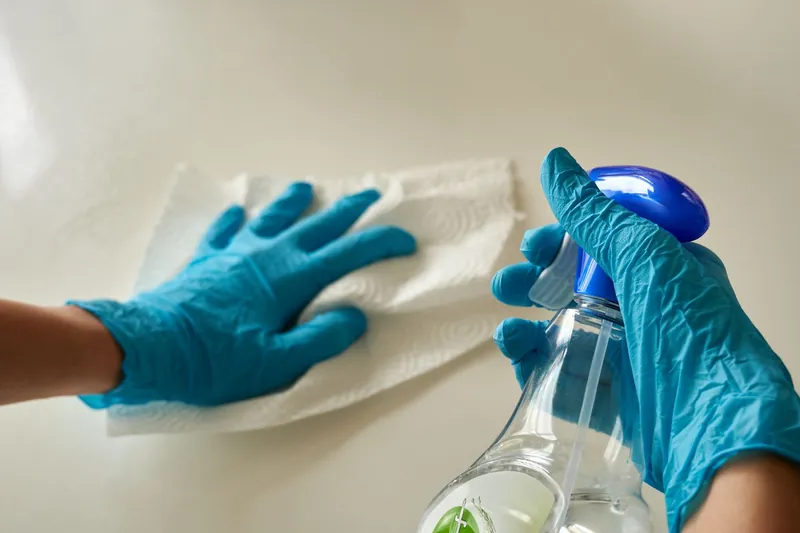
Carpet, solid floors, walls and furnishings receive blood cleanup that includes safe disposal.
See blood cleanup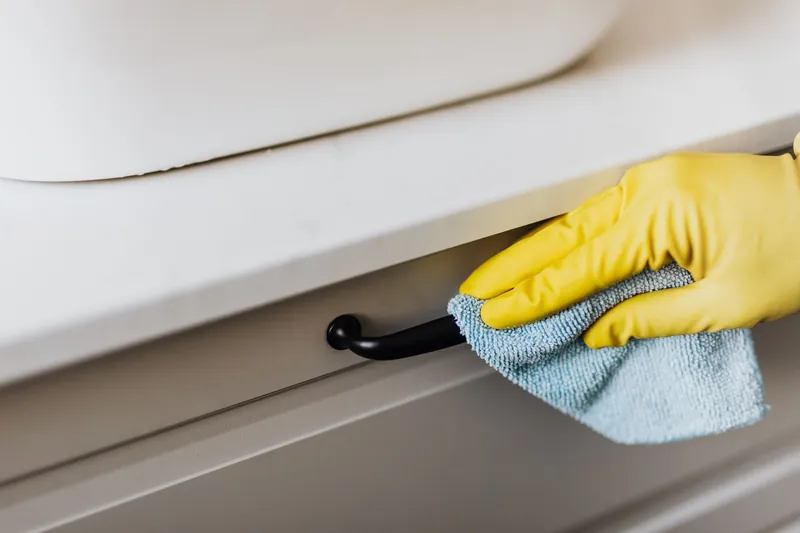
Bodily fluid cleanup and disinfection for homes, care settings and businesses.
See bodily fluid cleanup
Biohazards are cleaned from carpets and upholstery, or affected materials are removed safely when needed.
See biohazard carpet and upholstery cleaning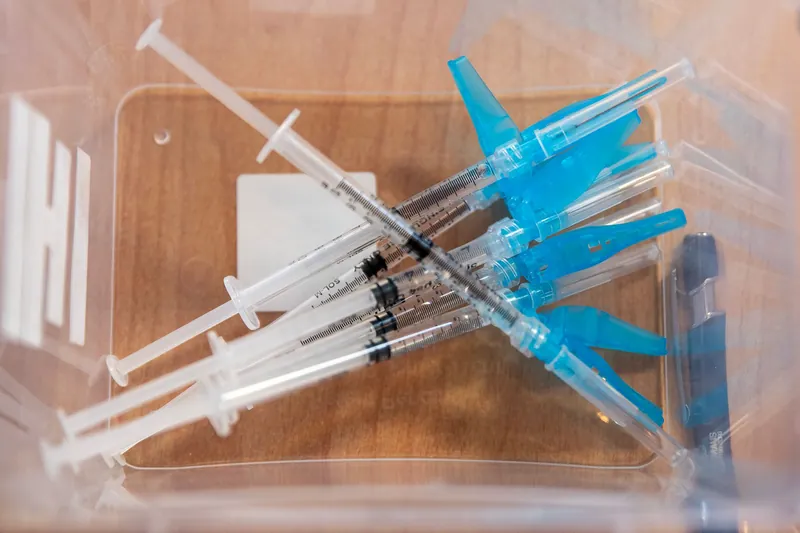
Needle and sharps cleanup for yards, rentals, parks and encampments.
See needle and sharps cleanup
Trauma scene cleanup addresses the aftermath of accidents, injuries and violent incidents.
See trauma scene cleanup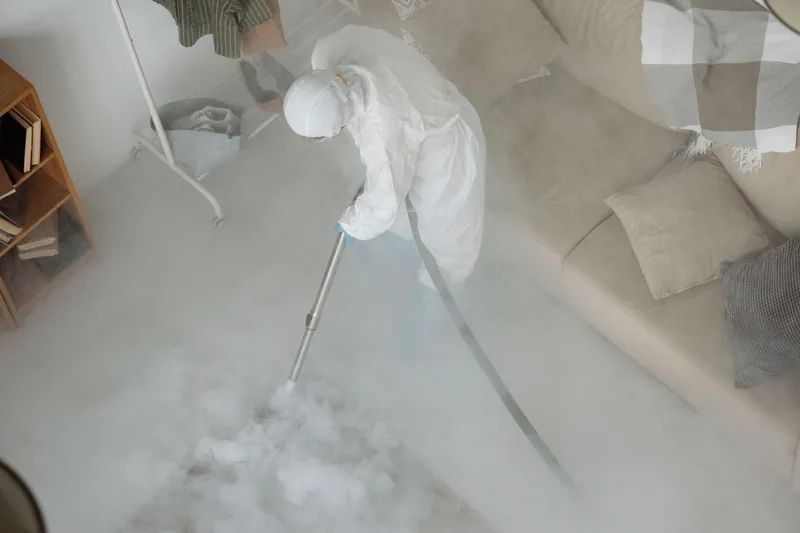
Rooms, surfaces and air receive complete decontamination following infectious or hazardous exposure.
See biohazard decontamination
Sealed containers with labels hold biohazard waste during collection and disposal.
See biohazard waste disposalThe published vehicle biohazard cleanup range is $500 to $5,000, according to the BioCleaners Directory Biohazard Cleanup Cost Guide (2026). Price depends on what the interior contains, how serious the event was, when it occurred and whether the air system needs decontamination. A view through an open door cannot reveal every affected area, including seat interiors and the space below floor covering.
Usually, this report indicates that a record source was told about biohazard contamination involving the vehicle. You do not learn the specific incident, present condition or quality of cleaning from that notation. Get the event history, cleanup documents and parts-replacement list from the seller or owner, and have the car independently inspected before you choose to use or buy it.
If your policy covers what happened, vehicle biohazard cleaning may also be included. Coverage is not automatic, and a deductible or exclusion may apply. Before work starts, when waiting does not create a safety concern, tell your insurance company about the event and ask about vehicle transport, interior restoration and needed documentation.
Biohazard damage means blood, bodily fluids, waste or related contamination affected the vehicle. Staining and odor may occur, while absorbent components such as soaked foam or carpet underlay may be unsafe to retain. This type of damage differs from normal soil. Chemical damage may be different as well and could call for its own hazmat assessment.
Safety depends on whether the full affected area was found and whether contaminated porous materials were removed or successfully treated. Request documentation identifying cleaned areas, removed items and any inspection of the ventilation system or cabin filter. If you are buying the vehicle, consider an independent inspection and read all available records.
A truck, RV, boat, fleet unit or car becomes a biohazard vehicle when contaminated by sharps, animal waste, human waste, bodily fluids, blood or other potentially infectious material. The term describes the contamination, not a specific make or type of vehicle. Which areas can remain after cleaning, and which porous items may be removed, becomes clear during inspection.
You can request respectful, discreet vehicle biohazard cleanup 24 hours a day, and crews use unmarked vehicles.